



Description
Grass-Affected Horse? Natural Support for Calm, Focus & Behaviour
Support Your Horse Through Seasonal Grass Changes with Pazture Guarde
Is your normally calm horse suddenly spooky, tense, over-reactive, or difficult to ride?
Seasonal pasture changes, particularly during spring, autumn, or after rain following a dry spell, can affect some horses more than others.
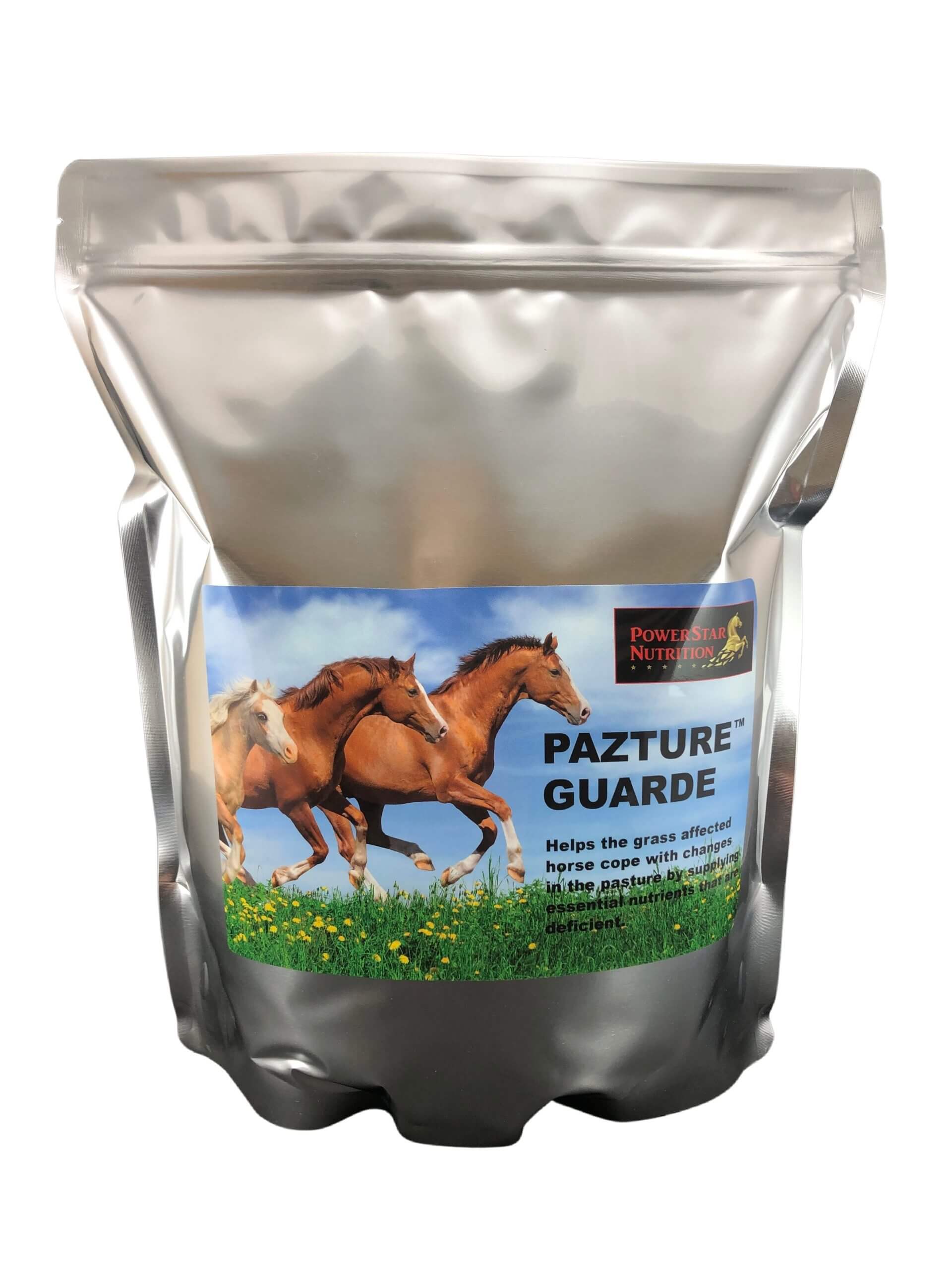
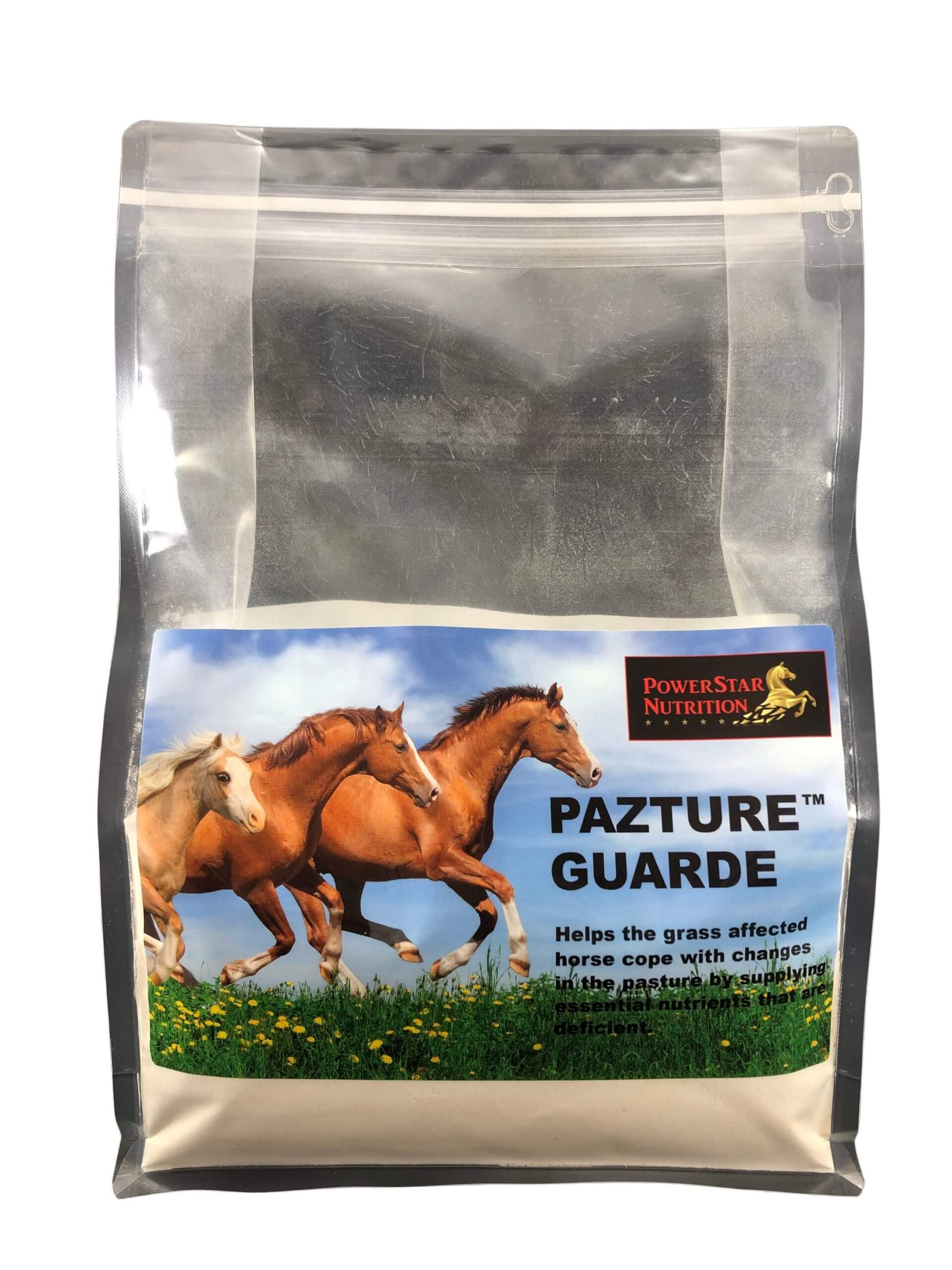
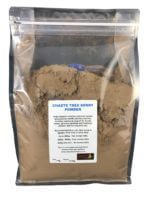
Pazture Guarde is a daily supplement formulated specifically for horses affected by changing pasture conditions. It combines highly absorbable Magnesium Aspartate with Vitamin B1, Vitamin C (Sodium Ascorbate), Sodium Bicarbonate and Coconut Flour to support calm behaviour, focus, normal muscle function and nervous system health.
But Pazture Guarde is about more than magnesium alone.
Sodium Bicarbonate provides bicarbonate, which plays an important role in the body’s natural acid-base buffering systems and helps maintain normal physiological pH balance.
Sodium Ascorbate provides Vitamin C, an important antioxidant that helps protect cells from oxidative stress while supporting normal muscle and tissue function. This form of Vitamin C is kind on the gut.
Together, these ingredients provide targeted nutritional support when lush or rapidly changing pasture seems to affect your horse’s behaviour, muscles and overall comfort.
If your horse seems different from one day to the next, pasture could be playing a bigger role than you realise.
If your horse is more excitable than usual, spooking at every little thing, or becoming increasingly difficult to ride, they might be dealing with pasture-related stress.
Signs Your Horse May Be Grass Affected
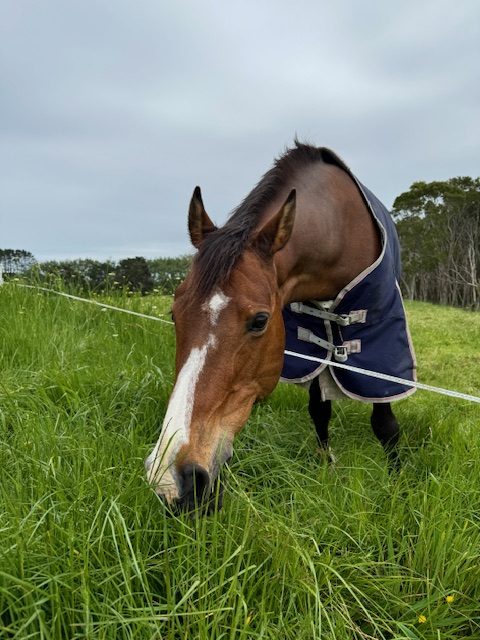
If your horse is showing one or more of the following signs, seasonal pasture changes may be affecting their behaviour, focus, or comfort. Many horse owners choose Pazture Guarde as part of their horse’s daily nutritional support during periods of rapid grass growth or changing pasture conditions.
Your horse may be:
🔹 Sensitive or resentful when being groomed or touched.
🔹 Showing muscle tightness, twitching, tremors, cramping, or flinching.
🔹 Grumpy or irritable during rug or cover changes.
🔹 Spooky or anxious when they’re normally calm and relaxed.
🔹 Over-reactive to everyday sights, sounds, or movement.
🔹 Finding it difficult to concentrate under saddle, particularly during spring and autumn.
🔹 Behaving differently from one ride to the next with no obvious reason.
🔹 More excitable than usual, including bucking or rushing.
🔹 Harder to catch, handle, or ride despite normally having a willing temperament.

When Grass Affects More Than Behaviour
For some horses, seasonal pasture changes don’t just show up as spookiness or excitability — their digestive system can be affected too.
If your horse is also showing signs such as being girthy, touchy around the belly, unsettled in their digestion, loose in their droppings, or uncomfortable when being groomed or saddled, you may want to support the gut as well.
🌱 Pazture Guarde provides Magnesium Asparate, Vitamin C, Sodium Bicarbonate and Vitamin B1 to support calm behaviour, focus, muscle function and the nervous system.
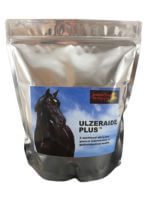
🧡 Ulzeraide Plus provides daily nutritional support for the stomach and hindgut, with probiotics, digestive support and broad-spectrum mycotoxin binding.
Why Feed Them Together?
They support two different areas that can be challenged during periods of rapid grass growth.
Pazture Guarde = calm, focus & muscle support
Ulzeraide Plus = stomach & hindgut support
For horses that become both reactive and digestive-sensitive when the grass changes, the two products can be fed together as part of their daily nutritional support.
Testimonial – Hana Bognuda
Hey Rachel, the new products are amazing!
I can’t believe how much calmer all the horses are, it’s insane!
Pazture Guarde and Ulzeraide are working wonders, even Dee can be out on the fresh grass and doesn’t bat an eyelid at everything!
Here’s a photo of Dee in his first 1.15m on the weekend.
I saw the wrong stride coming off the corner and had an uh oh moment but he’s so much more focused now since starting the new products.
He took over and we made it over without any problems!

Take Control of Your Horse’s Behavior Today
If you’re sick of unpredictable, excitable behavior and want a simple, proven solution, Pazture Guarde is your answer. Get it into their daily routine, and you’ll see the difference fast.
Stop struggling with behavior problems and start seeing results now —your horse will thank you.
Grass or feed-related challenges can be fed together with Ulzeraide Plus.
The Secret Sauce Behind Thiamine (Vitamin B1) for Horses
Thiamine is needed for the efficient metabolism of carbohydrates, fats, and proteins.
It is also critical for the processing of lactic and pyruvic acids, which contribute to “tying up” and is especially important in competition horses that are often fed large amounts of grain to support athletic ability.
If your horse is prone to “tying up,” B1 is key in keeping that under control, especially for competition horses that consume a lot of grain to fuel their performance.
Here’s why your horse might be low on Thiamine:
- Hard-working horses with high energy demands
- Horses on high-grain diets
- Horses dealing with hindgut acidosis
- Horses under constant stress
Why Is Your Horse Deficient in Magnesium?
Springtime can be a nightmare for horses, thanks to fast-growing grasses that are low in magnesium.
This deficiency is one of the main reasons you’ll see your horse acting out during the “Spring Flush.”
Magnesium is essential for keeping your horse calm, and a lack of it often leads to behavioral problems.
Why Feed Magnesium to Horses with Grass Sensitivities?
Magnesium is a workhorse mineral—playing a role in over 300 biochemical reactions in the body. It’s crucial for energy production, nerve and muscle function, and even keeping your horse’s heart rate in check.
Here’s what happens when your horse is running low on magnesium:
- They become nervous, jumpy, and overly excitable
- They suffer from tight, sore backs (and no, it’s not your saddle’s fault)
- They show signs of muscle tremors and skin hypersensitivity
A magnesium-deficient horse will struggle with poor work tolerance, fatigue quickly, and be more prone to tying up.
They build up lactic acid faster, which is why they can seem erratic or unpredictable after even mild work.
Supplementing with magnesium can help balance these behaviors and improve recovery.
The Power of Sodium Bicarbonate
Sodium bicarbonate, better known as baking soda, does more than just help with digestion.
It plays a critical role in maintaining your horse’s acid-base balance (pH), protecting the intestines from stomach acid, and keeping the body’s electrical balance in check.
While Pazture Guarde doesn’t use encapsulated sodium bicarbonate like “EquiShure,” it still provides the benefits of this essential compound to keep your horse’s digestive system running smoothly.
Why Your Horse Needs Vitamin C (Sodium Ascorbate)
Pazture Guarde also packs in sodium ascorbate, a potent form of Vitamin C that’s less acidic and more easily absorbed. Vitamin C isn’t just a general health booster—it’s a water-soluble antioxidant that helps your horse stay strong, especially in times of stress.
It combats harmful free radicals and supports the immune system by stimulating the production of antibodies, essential for fighting off infections, bacteria, and viruses.
Factors that Impact Vitamin C Levels
Horses that graze on fresh pasture usually get enough Vitamin C from their diet. But here’s the catch—most horses don’t have access to constant grazing, especially those in demanding training programs.
Stress from competition, transportation, and even routine procedures like vaccinations or castrations can deplete Vitamin C levels, leaving your horse vulnerable.
That’s why supplementing with Vitamin C during stressful periods is crucial for supporting a strong immune system and healthy connective tissue.
Bottom Line?
When your horse is dealing with stress—whether it’s from diet, training, or environmental factors—Pazture Guarde has the nutrients to keep them calm, focused, and ready to perform.
From magnesium to Vitamin C, this powerful supplement tackles the root causes of behavioral issues and keeps your horse feeling and performing their best.

6 reviews for Pazture Guarde – Pasture and Muscle Support, Encouraging a Calm Focused Mind